Set Conversion Goals
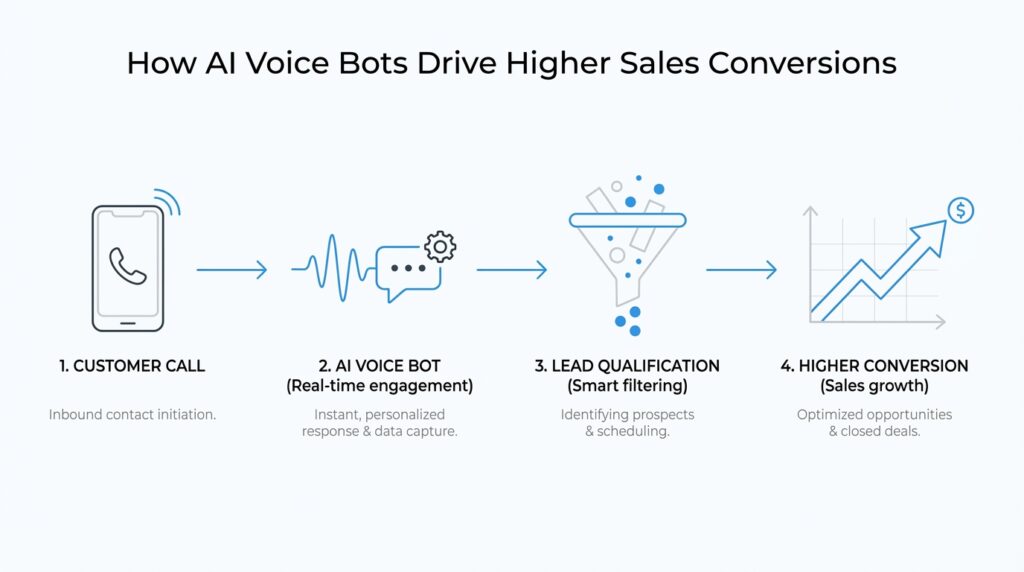
Building on this foundation, the first thing we need is a clear finish line. An AI voice bot can sound polished, answer questions, and keep conversations moving, but none of that matters if we cannot tell whether those calls are leading to real sales conversions. How do you know whether your AI voice bot is helping if you never define success in the first place? That is why conversion goals come first: they give the bot a target, and they give you a way to measure progress without guessing.
A conversion goal is the specific action you want a caller to take after speaking with the bot. Think of it like a recipe with one main outcome in mind: you are not merely trying to “cook something,” you are aiming for a particular dish. In the same way, an AI voice bot should not be judged only by how natural it sounds. It should be judged by whether it helps someone book a demo, complete a purchase, request a callback, qualify as a lead, or schedule an appointment. When the goal is concrete, the conversation can be designed around it instead of drifting in circles.
This is where many teams get stuck. They launch an AI voice bot and hope it will increase sales, but “increase sales” is too broad to guide decisions. A better approach is to choose one primary conversion goal and define what counts as a win. For an e-commerce brand, that might be a completed order. For a service business, it might be a booked consultation. For a sales team, it might be a qualified lead handed off to a human rep. The clearer the target, the easier it becomes to shape the voice bot’s questions, prompts, and handoff rules.
Once the main goal is set, we can add supporting goals that show whether the conversation is moving in the right direction. These are the smaller milestones that sit along the path to conversion, like confirming intent, collecting contact details, or identifying budget and timeline. They matter because not every caller will convert on the first interaction, but many will reveal strong buying signals along the way. In practice, that means your AI voice bot can still be successful even when the final sale happens later, as long as it gathers the right information and advances the conversation.
As we discussed earlier, the real power of AI voice bots comes from turning conversations into measurable actions. That means you need to track more than call volume or talk time. You want to know which calls ended in booked meetings, which ones produced qualified leads, and which ones need a human follow-up to close the loop. If your sales process has multiple steps, define conversion goals for each stage so you can see where people are dropping off. That is often where the biggest opportunity hides: not in more calls, but in fewer lost opportunities.
It also helps to make the goal specific enough that your team can act on it. A vague target like “improve conversions” is hard to coach against, but a goal like “increase demo bookings from inbound calls by 15% this quarter” gives everyone a shared direction. The AI voice bot can then be tuned to support that outcome by asking the right qualifying questions, handling common objections, and passing high-intent callers to a human at the right moment. When you set conversion goals this way, the bot becomes less like a friendly receptionist and more like a focused sales assistant.
Taking this concept further, the best conversion goals are realistic, measurable, and tied to the customer journey you actually want to improve. Start with one clear result, define the signals that lead to it, and decide how you will record success. Once that target is locked in, everything else in the AI voice bot conversation becomes easier to design, because now we know exactly what the bot is trying to accomplish.
Capture Leads Instantly
Building on this foundation, we now face the moment where interest turns into action. An AI voice bot can have a great conversation, but if it waits too long to collect a name, number, or intent signal, the opportunity can slip away. That is why lead capture matters so much: it gives you a way to catch the caller while their interest is still warm and turn the conversation into something your sales team can actually work with. How do you capture leads instantly without making the call feel mechanical? The answer is to treat lead capture as part of the conversation, not a form that gets awkwardly dropped in at the end.
Think of the first few seconds of a call like someone walking into a busy shop. If nobody greets them, they may wander out before you ever learn what they wanted. An AI voice bot works best when it welcomes the caller, identifies the purpose of the call, and begins collecting the smallest useful details right away. That might mean asking for a name, a phone number, an email address, or the reason they called. The key is that AI voice bots do not have to wait for a human handoff to start capturing lead data, which means you reduce the chance of losing someone who was ready to buy but not ready to wait.
Once that first piece of information is captured, the bot can keep building the profile in a natural way. Instead of firing off a long questionnaire, it can ask one useful question at a time, like whether the caller is looking for pricing, support, or a consultation. This is where the conversation starts to feel less like data collection and more like helpful guidance. You are not interrogating the caller; you are learning enough to route them correctly, follow up quickly, and preserve the context for the next step.
This is especially powerful for inbound leads, which are people who call you first because they already have some level of interest. In that moment, speed matters. If the AI voice bot can record the caller’s details immediately, then your team can follow up while the request is still fresh, which often makes a real difference in conversion rates. It also helps you avoid the common problem of “good calls” disappearing into voicemail, sticky notes, or half-finished spreadsheets. When the lead capture happens inside the voice flow, the information lands where it needs to be without extra friction.
Here is where things get even more useful: instant lead capture is not only about contact details. It is also about context. A caller who says, “I need help this week,” is sending a different signal from someone who says, “I’m comparing options for next quarter.” The AI voice bot can record that buying timeline, urgency level, and product interest in the same exchange that captures the phone number. That gives your sales team a clearer picture before they ever pick up the next call, and it helps them respond like they already know the customer.
To make this work well, the bot needs a simple path that matches the customer’s pace. If the caller sounds ready, the bot should move quickly and ask only the essentials. If the caller needs more time, the bot can gather details gradually while keeping the conversation calm and useful. This is the same idea we used earlier with conversion goals: the more clearly you define the outcome, the easier it becomes to design the conversation around it. In practice, strong AI voice bots capture leads instantly by combining speed, relevance, and a smooth handoff that never makes the caller feel stuck.
When you get this part right, the call stops being a one-time interaction and becomes the start of a real sales process. You are no longer hoping people will remember to follow up later; you are capturing the lead in the moment and giving your team a head start. That is what makes instant lead capture such a valuable piece of the overall system, and it sets us up perfectly for the next step, where we look at how to qualify those leads before a human ever gets involved.
Qualify Prospects Fast
Building on that instant capture step, the next question is the one sales teams care about most: who is actually worth a human follow-up? This is where AI voice bots become more than fast note-takers. They can qualify prospects fast by sorting out intent, fit, and urgency while the caller is still on the line, which means your team spends less time chasing dead ends and more time talking to people who are ready to buy. If you have ever wondered, how do you qualify prospects fast without sounding pushy?, the answer is to let the conversation uncover the facts naturally, one small step at a time.
Think of lead qualification like checking the weather before you leave the house. You do not need a dramatic speech; you need a few useful signals so you can decide what to do next. An AI voice bot can ask simple, conversational questions about what the caller needs, when they need it, and whether they are exploring options or ready to move forward. Those answers help the bot separate casual curiosity from real sales potential, which is exactly what makes AI voice bots so effective in sales calls.
The trick is to focus on signals that matter, not on collecting every possible detail. In practice, that might mean learning the caller’s budget range, timeline, service type, location, or decision-making role. These are the clues that tell you whether a prospect is a strong match, a future opportunity, or someone who needs a different path entirely. When the bot asks one question at a time and reacts to the answers, the exchange feels like a guided conversation instead of an interview.
This is where fast lead qualification starts to pay off in a very visible way. A caller who says they need help this week and already knows their service category should not sit in the same queue as someone who is only researching for next quarter. The AI voice bot can recognize that difference, score the lead based on the answers it hears, and route the best prospects to a live rep right away. That keeps your team focused on high-intent conversations, while lower-priority callers still get a helpful response instead of being ignored.
As we discussed earlier, context matters just as much as contact details. When an AI voice bot captures the why behind the call, it gives your sales team a head start before the first human conversation even begins. A rep who knows the prospect’s timeline, pain point, and level of interest can open with something useful instead of repeating the same discovery questions from scratch. That makes the handoff feel smoother, and it helps the caller feel understood rather than processed.
Qualification also protects your sales pipeline from quiet waste. Without a clear screening step, teams often spend time on leads that are outside the service area, outside the budget, or nowhere near a buying decision. An AI voice bot can prevent that by applying the same qualifying logic every time, which keeps the process consistent even when call volume changes. Over time, that consistency helps you see patterns in which calls convert, which ones stall, and which questions do the best job of separating interest from intent.
The best part is that this does not have to feel rigid. A good bot sounds like a helpful guide, not a gatekeeper. It asks enough to understand the caller, responds with relevance, and moves faster when the signals are strong. That balance is what lets AI voice bots qualify prospects fast while still leaving room for a human, empathetic experience, and it sets the stage for the next step: turning those qualified conversations into a smoother handoff and a stronger close.
Personalize Voice Scripts
Building on this foundation, the script is where your AI voice bot starts to feel like a helpful guide instead of a machine reading from a clipboard. If the previous steps told us who the caller is and why they came in, personalization tells us how to meet them in the moment. That matters because AI voice bots drive higher sales conversions when the conversation feels relevant, and relevance starts with the words the bot chooses. How do you personalize voice scripts without making them sound fake or overproduced? You begin by matching the script to the caller’s likely intent, then let the conversation adjust as you learn more.
Think of a voice script like a conversation map rather than a fixed speech. A good map gives the bot a clear direction, but it still leaves room to turn left when the caller sounds ready, or slow down when they need reassurance. That is where personalization becomes practical: you can tailor the greeting, the first question, and the follow-up prompts based on the caller’s source, service interest, or stage in the buying journey. A person asking about pricing needs a different opening from someone calling for support, and a first-time lead should hear a different flow than a returning prospect.
This is also where dynamic fields come in, which are small placeholders that let the bot swap in details like a name, company, product category, or appointment time. Used well, they make the conversation feel like it was prepared for this caller, not for everyone at once. For example, “Hi, Jordan, thanks for calling about commercial cleaning” feels warmer than a generic greeting that could fit any business. The trick is to use those details sparingly and naturally, because too much name-dropping can feel rehearsed instead of human.
While we covered qualification earlier, now we can see how personalized scripts make that process smoother. A bot does not need to ask the same opening questions to every caller when the script already knows a little context. If someone came from a product page, the bot can start with a direct, relevant question; if someone called after business hours, it can open with a calmer, more supportive tone. That same idea applies to AI voice bots in general: the more the script reflects the caller’s situation, the less friction you create before the real sales conversation even begins.
Taking this concept further, personalization also means writing branches into the script, which are different paths the conversation can take based on the caller’s answer. One branch can handle high-intent callers who want to book now, while another can handle cautious shoppers who want details first. This is a bit like a choose-your-own-adventure book: the story stays structured, but it reacts to the choices the reader makes. When your AI voice bots follow that kind of script design, they can stay efficient without sounding rigid, which helps more callers feel understood and more likely to keep talking.
The best scripts also match tone to the customer’s mood. A caller who sounds busy does not need a long introduction, while someone who sounds uncertain may need a little more reassurance before they share details. That is why personalized voice scripts should include short, flexible lines that can be used in different situations, along with clear prompts for moving forward. You are not writing a performance; you are designing a conversation that feels respectful, timely, and easy to follow.
As we discussed with lead capture and qualification, the goal is not to collect words for their own sake. The goal is to create a conversation that feels relevant enough for the caller to stay engaged and clear enough for your team to act on later. When you personalize voice scripts around intent, tone, and context, AI voice bots become far more than automated responders. They start to sound like the right conversation at the right moment, and that is exactly what helps turn interest into action.
Handle Objections Smoothly
Building on this foundation, the conversation is about to reach a delicate moment: the caller hesitates. Maybe the price feels high, maybe the timing feels wrong, or maybe they are not sure they trust the first answer they hear. This is where AI voice bots can help or hurt sales conversions, because an objection is rarely a dead end; more often, it is a signal that the caller needs clarity, reassurance, or a better next step. How do you handle objections smoothly without sounding scripted? You do it by treating the concern as part of the conversation, not as a problem to push through.
The first move is to slow down just enough to acknowledge what the caller is really saying. When someone objects, they are often asking for confidence, not arguing for the sake of it. A good AI voice bot can respond with a short, calm acknowledgment like it understands the concern and is ready to help with that specific issue. That small shift matters because it makes the exchange feel human, and AI voice bots that handle objections this way are far more likely to keep the caller engaged instead of creating friction.
From there, the bot should answer the objection with the same kind of practical clarity you would want from a skilled salesperson. If the caller asks about price, the bot can explain the value, the range, or the factors that affect cost without overwhelming them. If the caller worries about timing, the bot can offer options that fit their schedule or explain what happens next. Think of it like helping a friend sort through a decision: you do not drown them in information, you give them the one or two details that make the next step feel manageable.
This is where structured objection handling becomes powerful. Instead of guessing, the bot can match common concerns to prepared response paths, which are simply different conversation branches for different situations. One path might address budget concerns, another might handle uncertainty about service fit, and another might explain why a quick follow-up call makes sense. When AI voice bots use these paths well, they stay consistent without sounding robotic, and that consistency helps protect sales conversions even when callers hesitate.
It also helps to remember that not every objection needs a full debate. Some concerns are real and specific, while others are just a caller’s way of saying they need a little more time. In those moments, the best response is often a short answer followed by a helpful next step. For example, the bot can offer to send more information, schedule a callback, or connect the caller with a person who can go deeper. That approach respects the caller’s pace and keeps the door open instead of trying to force an immediate yes.
As we discussed earlier, context is everything. The more the bot knows about the lead’s intent, timeline, and interest level, the better it can respond when an objection appears. A caller who is comparing options will need a different reassurance than someone who is ready to buy but nervous about the process. This is one reason AI voice bots are so effective in sales conversations: they can use the details already captured to respond in a way that feels personal, relevant, and calm.
The best objection handling also knows when to hand off. If a caller raises a concern that needs pricing approval, technical depth, or a more nuanced discussion, the bot should not keep talking just to sound busy. It should route the caller to a human at the right moment, with the objection and the surrounding context already recorded. That makes the handoff smoother, shortens the path to resolution, and gives your team a much better chance of turning hesitation into a close.
When you get this part right, objections stop feeling like roadblocks and start feeling like turning points. The caller feels heard, the next step feels clear, and the conversation keeps moving forward instead of stalling. That is the real advantage of AI voice bots in sales conversions: they do not eliminate objections, but they handle them with enough speed, empathy, and structure to keep the opportunity alive.
Route and Measure Results
Building on this foundation, the conversation does not end when the AI voice bot captures a lead or qualifies a prospect. The real payoff comes when you route the call to the right place and measure what happened next, because that is how AI voice bots start driving higher sales conversions in a way you can actually trust. What happens after the bot says, “Here is the best next step”? That question matters just as much as the greeting, because routing and measurement turn a good conversation into a repeatable sales system.
Think of routing like a smart hallway in a busy office. Once the caller has shared what they need, the AI voice bot should guide them toward the right room, whether that is a live sales rep, a support specialist, a booking calendar, or a voicemail follow-up path. If the bot sends everyone to the same place, the process feels clumsy and people waste time untangling the wrong calls. When the route matches the caller’s intent, you shorten wait time, reduce frustration, and give the next person in the chain a much better starting point.
This is where call routing becomes a conversion tool instead of a back-office task. A high-intent caller who is ready to buy should not sit in the same queue as someone who only wants general information. An AI voice bot can make that split in real time by using the details it already collected, then passing along the context so the human agent does not need to start from zero. That handoff is one of the quiet reasons AI voice bots improve sales conversions: they preserve momentum at the exact moment interest is highest.
How do you know whether the routing worked? You measure the journey, not just the call itself. Start with the outcomes that matter most, such as booked meetings, completed purchases, qualified transfers, and callback completions. Then look at the smaller signals that explain those outcomes, like transfer acceptance rate, drop-off points, and how often a caller reaches the right destination on the first try. These metrics tell you whether the bot is guiding people efficiently or creating hidden friction along the way.
Once you can measure results, patterns begin to appear. Maybe calls routed to a specific sales team convert better because those agents close faster. Maybe callers who hear a short pricing explanation before transfer are more likely to stay engaged. Maybe one type of question causes callers to hang up before the handoff even happens. That is why measuring AI voice bot performance is so important: it shows you not only what is happening, but where the conversation is breaking down. With that visibility, you can make small adjustments that lead to stronger sales conversions over time.
As we discussed earlier, context is everything. The bot should not only route the caller, but also pass along the notes that make the next step feel seamless, such as the caller’s goal, timeline, service interest, and level of urgency. A rep who receives that context can open with relevance instead of repeating discovery questions. That smoother transition is often the difference between a caller feeling guided and a caller feeling like they have been passed around.
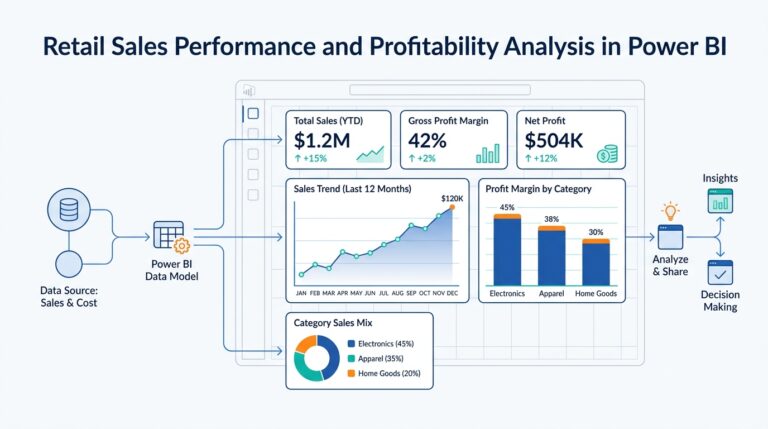
The best reporting habits are the ones your team can use without a spreadsheet full of mystery. A clear dashboard should show which call paths generate the most qualified opportunities, which scripts produce the strongest handoffs, and which routes lead to the fastest closes. In practice, that means you are no longer guessing whether the AI voice bot is helping. You can see, week by week, how routing decisions and measured outcomes shape the customer journey, and that is what lets you refine the system with confidence.
Taking this concept further, route and measure results should feel like one connected motion: send the caller where they belong, then check whether that path actually produced value. When those two pieces work together, the AI voice bot becomes more than an automated responder. It becomes a measurable part of the revenue process, one that helps you spot what is working, correct what is not, and keep the next conversation moving in the right direction.